George Hoyningen-Huene
A captivating photographic odyssey spanning fashion, Hollywood and travel, this is the first publication in almost 40 years on the work of George Hoyningen-Huene, the photographer whose images defined an era. Baron George Hoyningen-Huene (1900-196...
Systematicity
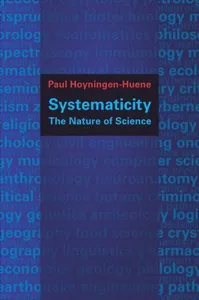
In Systematicity, Paul Hoyningen-Huene answers the question "What is science?" by proposing that scientific knowledge is primarily distinguished from other forms of knowledge, especially everyday knowledge, by being more systematic. &quo...
Systematicity
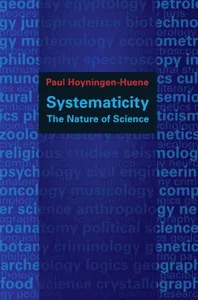
In Systematicity, Paul Hoyningen-Huene answers the question "What is science?" by proposing that scientific knowledge is primarily distinguished from other forms of knowledge, especially everyday knowledge, by being more systematic. &quo...
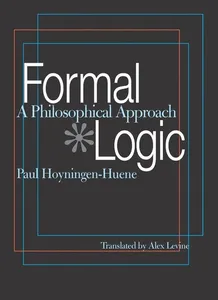
Formal Logic
Many texts on logic are written with a mathematical emphasis, and focus primarily on the development of a formal apparatus and associated techniques. In other, more philosophical texts, the topic is often presented as an indulgent collection of mu...
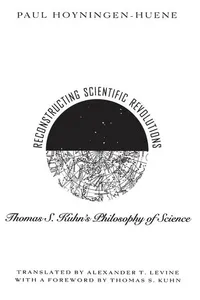
Reconstructing Scientific Revolutions
Few philosophers of science have influenced as many readers as Thomas S. Kuhn. Yet no comprehensive study of his ideas has existed-until now. In this volume, Paul Hoyningen-Huene examines Kuhn's work over four decades, from the days before The Str...

Tales from the Captain's Log
For centuries, ships' commanders kept journals that recorded their missions. These included voyages of discovery to unknown lands, engagements in war and sea and general trade. Many of their logs, diaries and letters were lodged at The National Ar...


The Brief History of World War 1
World War I, also called the World War or the Great War, was a world war that began in Europe on July 28, 1914 and lasted until November 11, 1918. November 11 remained known as Armistice Day. All the major powers of the world were involved in this war and were composed of two conflicting alliances: the Allies (centered around the Triple Entente of the United Kingdom, France and Russia) and the Centrals (originally centered around the Triple Alliance of Germany, Austria-Hungary and Italy). These alliances reorganized (Italy defected to the Allies in 1915) and expanded as more countries joined the war (Romania joined the Allies and the Ottoman Empire and Bulgaria joined the Centrals). In the end, more than 70 million soldiers, including 60 million Europeans out of a population of 460 million, were mobilized in one of the largest wars in history. Learn more about one of the most impactful events in our history and buy this book now

GARBO
Juan Pujol, a young Spanish antifascist, became agent GARBO, a master of deception and intrigue. His story contains all the hallmarks of classic spy adventure-enciphered messages, secret inks, items concealed in cakes-culminating in one of the gre...


Star Wars: Visions
Star Wars Visions collects a wealth of art - hand-picked by George Lucas - produced by a variety of artists, illustrators, designers and cartoonists, working across all genres and styles to celebrate their favourite characters, themes, worlds and ...

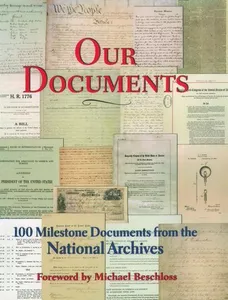
Our Documents
Our Documents is a collection of 100 documents that the staff of the National Archives has judged most important to the development of the United States. The entry for each document includes a short introduction, a facsimile, and a transcript of t...





Too Hot
-