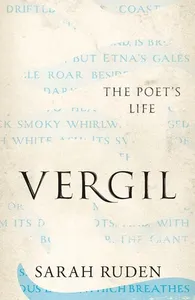
Vergil
A biography of Vergil, Rome's greatest poet, by the acclaimed translator of the Aeneid ¿ "Ms. Ruden has converted the writer of the Aeneid from a noble and stodgy 'ancient' into our contemporary . . . persuasively re-imagined [as] a sympathet...

Appendix Vergiliana: Lateinisch - Deutsch
Der Band vereint eine Sammlung von neu ins Deutsche bersetzten Gedichten, die in der berlieferung Vergil zugeschrieben werden, wahrscheinlich aber nicht von ihm stammen, sowie die beiden wichtigsten Vergil-Viten. Gedichte wie der Culex und das Moretum wurden als angebliche Jugendwerke Vergils stark rezipiert und geh ren zu den interessantesten Texten der r mischen Literatur berhaupt.

Virgil
In this classic study, Brooks Otis presents Virgil as a radically different poet from any of his Greek or Roman predecessors. Virgil molded the ancient epic tradition to his own Roman contemporary aims and succeeded in making mythical and legendar...

Vergil
A biography of Vergil, Rome’s greatest poet, by the acclaimed translator of the Aeneid “Ms. Ruden has converted the writer of the Aeneid from a noble and stodgy ‘ancient’ into our contemporary . . . persuasively re-imagined [as] a sympathetic, three-dimensional figure. . . . The existence of the Aeneid is cause for gratitude. So is Ms. Ruden’s sensitive, celebratory portrait of its maker.”—Willard Spiegelman, Wall Street Journal The Aeneid stands as a towering work of Classical Roman literature and a gripping dramatization of the best and worst of human nature. In the process of creating this epic poem, Vergil (70–19 BCE) became the world’s first media celebrity, a living legend. But the real Vergil is a shadowy figure; we know that he was born into a modest rural family, that he led a private and solitary life, and that, in spite of poor health and unusual emotional vulnerabilities, he worked tirelessly to achieve exquisite new effects in verse. Vergil’s most famous work, the

Vergils Aeneide
En af litteraturhistoriens største klassikere skrevet af den romerske digter Vergil – nu i ny udgave med nyt omslag og udgivet sammen med ledsageren. Til alle med interesse for romerriget og det moderne Europas fødsel, storhed og fald. Vergils Aenide er den episke fortælling om den trojanske helt, Aeneas, og hans flugt til Italien efter Trojas fald. Undervejs udsættes han for mange trængsler og farlige eventyr, herunder fristelserne hos Karthagos skønne dronning Dido, før han med sine mænd og sin søn når til latinernes land, hvor han drømmer om at skabe et rige for sit folk. Et rige, som kan bestå. Bogens betydning for Europa kan ikke undervurderes: Den har formet den romerske selvforståelse helt op til middelalderen, renæssancen, barokken – og stadig den dag i dag, skal man gå til Vergil og hans totusindårige digt, hvis man vil forstå Europas historie. Det er en fortælling om storhed og fald, lidelse og pligt, skæbne og krig. Om livet som indvandrer og drømmen om at finde et nyt

Vergils Aeneis
Vergils Aeneis
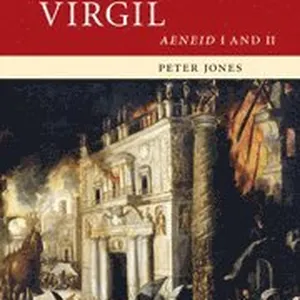
Reading Virgil
Virgil's Aeneid, an epic which tells the story of Aeneas' flight from burning Troy, his adventures on the high seas and eventual arrival in Italy, thereby founding the Roman race, is one of the most influential works of Roman literature. This edit...

Virgil Opera
The Oxford Classical Texts, or Scriptorum Classicorum Bibliotheca Oxoniensis, are renowned for their reliability and presentation. The series consists of a text without commentary but with a brief apparatus criticus at the front of each page. Ther...


Lille Virgil
Lille Virgil bor i ett hönshus tillsammans med en enbent tupp som väcker honom varje morgon... Hönshuset tillhör bagaren i den lilla staden och Virgil får bo kvar ända tills huset rasar. Han upplever en rad äventyr ihop med sina bästa vänner Oskar...


Translating Virgil
Virgil remains one of the most important poets in the history of literature. This emerges in the rich translation history of his poems. Hardly a European language exists into which at least one of his poems has not been translated, from Basque to Ukrainian and Dutch to Turkish. Susanna Braund's book is the first synthesis and analysis of this history. It asks when, where, why, by whom, for whom and how Virgil's poems were translated into a range of languages. Chronologically it spans the eleventh- and twelfth-century adaptations of the Aeneid down to present-day translation activity, in which women are better represented than in earlier eras. The book makes a major contribution to western intellectual history. It challenges classicists and other literary scholars to reassess the features of Virgil's poems to which the translators respond and offers a treasure-trove of insights to translation theorists and classicists alike.
Virgil: Eclogues
Pastoral poetry was probably the creation of the Hellenistic poet Theocritus, and he was certainly its most distinguished exponent in Greek. Vergil not only transposed the spirit of Greek pastoral into an Italian setting, blending details from the...


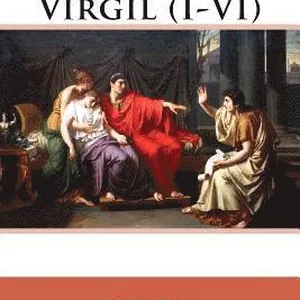

Vergil: Aeneis Libros I et IV
Vergil: Aeneis Libros I et IV

Gerbil
-