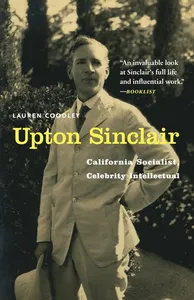
Upton Sinclair
Had Upton Sinclair not written a single book after The Jungle, he would still be famous. But Sinclair was a mere twenty-five years old when he wrote The Jungle, and over the next sixty-five years he wrote nearly eighty more books and won a Pulitze...
Sinclair
-
Sinclair
-
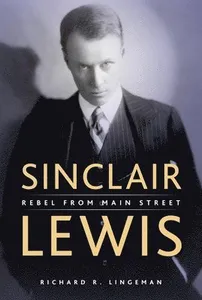

Iain Sinclair
A clearly written, comprehensive critical introduction to one of the most original contemporary British writers, providing an overview of all of Sinclair's major works and an analysis of his vision of modern London. This book places Sinclair in a ...

Artwood - SINCLAIR Fåtölj
Matt light brown. Buffalo leather. Black iron. Plywood. Cold foam filling. w 75 x d 79 x h 69 x sh 48 cm
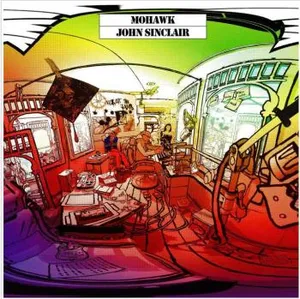
Sinclair John: Mohawk
Sinclair John: Mohawk [CD]

Jungle
The Jungle
Sinclairs: Sparkle
Sinclairs: Sparkle [Vinyl LP]

Sinclairs: Sparkle
Sinclairs: Sparkle [CD]

Sinclaire: Attention
Sinclaire: Attention [Vinyl LP]

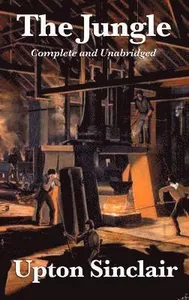
Jungle
The Jungle

The Jungle
'It is a book that does for modern industrial slavery what Uncle Tom's Cabin did for black slavery. But the work is done far better and more accurately in The Jungle than in Uncle Tom's Cabin.' -Arthur Brisbane in the New York Evening Journal, (1906) The Jungle (1906) is an iconic novel in which Sinclair drew on several years of research to unmask the corruption in Chicago's meatpacking industry and the misery it inflicted on the lives of the workers there. Its main plot tells the story of a Lithuanian immigrant, Jurgis Rudkus, and his extended family, all of whom had come to the United States to live the American dream. While created by the author to expose abuses and advance the cause of socialism in the US, its more practical outcome was reforms that included the passage of the Meat Inspection Act.

Oil!
Published in 1927, this masterpiece of realist fiction portrays a gripping tale of corruption and greed alongside a son's coming-of-age story. The basis for Paul Thomas Anderson's 2007 film There Will Be Blood, the saga follows the rise of an oil magnate through the eyes of his loving but increasingly pessimistic son. After writing The Jungle, a groundbreaking book that exposed harsh labor conditions, novelist Upton Sinclair was inspired by the 1920s Teapot Dome Scandal during Warren G. Harding's presidency. Sinclair delivers a scathing, satirical critique of social injustice during the early years of the California oil boom.


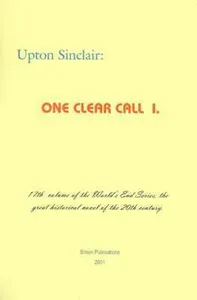





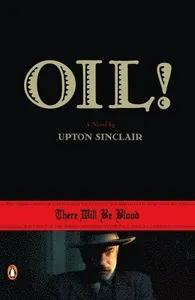
Oil!
The classic novel that inspired the Academy award-winning film, There Will Be Blood. Penguin Books is proud to now be the sole publisher of Oil , the classic 1927 novel by Upton Sinclair. After writing The Jungle, his scathing indictment of the meatpacking industry, Sinclair turned his sights on the early days of the California oil industry in a highly entertaining story featuring a cavalcade of characters including senators, oil magnets, Hollywood film starlets, and a crusading evangelist. This lively and panoramic book, which was recently cited by David Denby in the New Yorker as being Sinclair's 'most readable' novel, is now the inspiration for the Paramount Vantage major motion picture, There Will Be Blood. It is the long-awaited film from Paul Thomas Anderson, one of the most admired filmmakers working today whose previous movies, Boogie Nights and Magnolia were both multiple Academy Award nominees. The movie stars Oscar-winner Daniel Day-Lewis (Gangs of New York, My Left Foot)
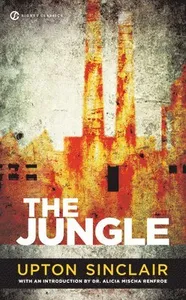
The Jungle
Upton Sinclair's classic revelatory novel about turn-of-the-century business and immigrant labor practices. Jurgis Rudkus, a young Lithuanian immigrant in search of a better life, faces instead an epic struggle for survival. His story of factory life in Chicago in the early twentieth century is a saga of barbarous working conditions, crushing poverty, crime, disease, and despair. Upton Sinclair's vivid depiction of the horrors of Chicago's stockyards and slaughterhouses aroused such public indignation that a government investigation was called, eventually resulting in the passage of pure food laws. More than a hundred years later, The Jungle continues to pack the same emotional power it did when it was first published. Includes an Introduction by Alicia Mischa Renfroe and an Afterword by Dr. Barry Sears







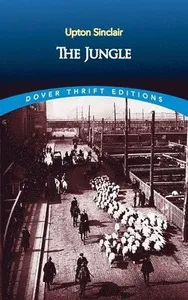
The Jungle
1906 best-seller shockingly reveals intolerable labor practices and unsanitary working conditions in the Chicago stockyards as it tells the brutally grim story of a Slavic family that emigrates to America full of optimism but soon descends into numbing poverty, moral degradation, and despair. A fiercely realistic American classic that will haunt readers long after they've finished the last page.
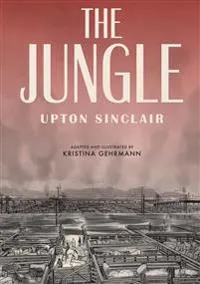
The Jungle
The Jungle