




At Penpoint
In At Penpoint Monica Popescu traces the development of African literature during the second half of the twentieth century to address the intertwined effects of the Cold War and decolonization on literary history. Popescu draws on archival materia...

Popes
John Julius Norwich expertly examines the history of the oldest continuing institution in the world, tracing the papal line down the centuries from St Peter to the presentOf the 280-odd holders of the supreme office, some have unquestionably been ...

Popes
John Julius Norwich expertly examines the history of the oldest continuing institution in the world, tracing the papal line down the centuries from St Peter to the present Of the 280-odd holders of the supreme office, some have unquestionably been...


Marcel Duchamp
A meticulous facsimile of the legendary monograph and draft catalogue raisonné, originally conceived in 1959 by Marcel Duchamp in collaboration with Robert Lebel, back in print after decades. Marcel Duchamp, the artist's first legendary monograph ...


Merci, Marcel!
Merci, Marcel!


Marcel Dzama
Marcel Dzama (*1974 in Winnipeg) is known for his prolific drawings, which are characterized by their distinctive palette and subject matter. He has recently expanded his practice to encompass film and three-dimensional works, thus developing an i...

Marcel Broodthaers
Illustrated with 350 superb color reproductions and produced under the editorial direction of the artist's daughter, Marcel Broodthaers is the definitive monograph on the Belgian artist who surmounted the Surrealism of Magritte with pioneering works of Conceptual art. Marcel Broodthaers filled his brief, 12-year artistic career with more ideas and works than most artists manage in a lifetime. This career began in 1964, following a period of more than two decades laboring in some obscurity as a poet in the Belgian Surrealist circle of Ren Magritte (a crucial mentor for Broodthaers) and Paul Noug . He also wrote articles on art during these years, including early critiques of Pop art. Broodthaers' first exhibition, held that year in Brussels, was accompanied by a now-famous announcement: 'I, too, asked myself if I could not sell something and succeed in life. I had for quite a while been good for nothing ... Finally the idea of inventing something insincere came to me and I got to work
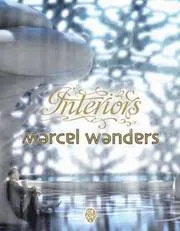
Marcel Wanders
The first large-format monograph on the interiors and building projects of Marcel Wanders, one of the most original designers working today. Marcel Wanders's distinctive output combines a flair for the theatrical with a unique understanding of spa...

Marcel Pourtout
Pourtout is a name often mentioned as one of the greats of French coachbuilding. It was the company behind the rakish Darl'mat Peugeots of the 1930s and the famous 'Embiricos' Bentley. From modest beginnings, founder Marcel Pourtout - latterly wor...
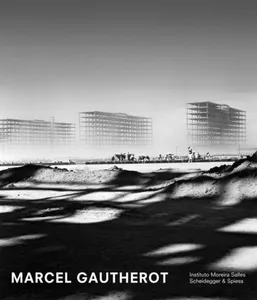
Marcel Gautherot
Marcel Gautherot (1910-96) is regarded by many as one of the most significant French photographers, yet his work is relatively little known and even less published. Marcel Gautherot: The Monograph features some 200 of his striking pictures from al...

Marcel Broodthaers
New exhibition catalogue on Belgian artist Marcel Broodthaers. Marcel Broodthaers's work is characterized by a complex exploration of the relationship of text and image. This catalog raisonné, prepared by WIELS and developed in close collaboration...
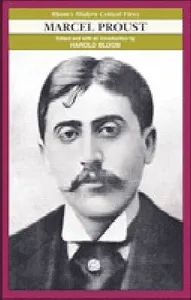
Marcel Proust
A collection of critical essays discuss the works of the French writer.

Marcel Proust
Marcel Proust (1871-1922) spent fourteen years creating A la recherche du temps perdu (In Search of Lost Time), his magnum opus. Only four of its seven volumes had been published by the time Proust died; he did not live to see it become one of the...
Marcel Broodthaers
Marcel Broodthaers filled his twelve-year artistic career with more ideas and works than most artists manage in a lifetime. This career began in 1964, following a period of more than two decades labouring in some obscurity as a poet in the Belgian...

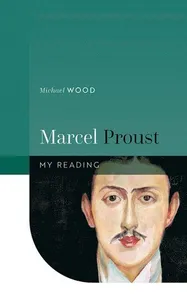
Marcel Proust
A witty, refreshing, and fun book on the experience of reading Marcel Proust. What would the world be like without this work, where would we be if it hadn't happened? This is how Michael Wood found himself writing about Proust's work as an event a...