Bushido
-

Bushido, the Soul of Japan
Bushido, the Soul of Japan

Bushido
Bushido is the code of conduct that governed the lives and conduct of the samurai. Written by one of Japan's most respected thinkers, this book was the first in English to explore the roots of Japanese ethics and morality. A century ago, when Japa...

Bushido
Bushido, which literally means 'the way of warriors' is a code of conduct, based upon a set of honors and ideals associated with the samurai way of life, that has greatly influenced the culture and people of Japan. The origin of bushido likely dates to sometime between the 16th and 20th century in Japan, though some scholars argue that it may have been built upon much earlier traditions. Born from the Neo-Confucianism of the Edo period, bushido emphasizes the eight virtues of righteousness, heroism, compassion, respect, honesty, honor, loyalty, and self-control. Noted diplomat, statesman, economist, educator, and author, Inazo Nitobe helped to introduce the culture of Japan to a western audience. Today he is best remembered for his work 'Bushido: The Soul of Japan.' First published in English in 1900, the work explores how the influence of the ancient code of bushido has had such a lasting effect on the culture and traditions of Japan. Drawing in the eastern traditions of Buddhism,

Bushido
-
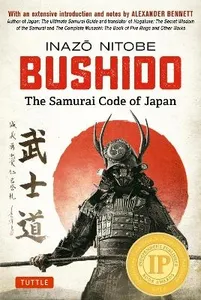
Bushido- The Samurai Code Of Japan
**Independent Publisher Book Award (IPPY) Winner**Bushido: The Samurai Code of Japan is the most influential book ever written on the Japanese "Way of the Warrior." A classic study of Japanese culture, the book outlines the moral code of the Samurai way of living and the virtues every Samurai warrior holds dear. It is widely read today in Japan and around the world. There are seven core precepts of Bushido: Rectitude: "The power of deciding upon a certain course of conduct in accordance with reason, without wavering."Courage: "Doing what is right."Benevolence: "Love, magnanimity, affection for others, sympathy and pity."Civility: "Courtesy and urbanity of manners."Sincerity: "The end and the beginning of all things."Honor: "A vivid conscious of personal dignity and worth."Loyalty: "Homage and fealty to a superior." Together, these seven values create a system of beliefs unique to Japanese philosophy and culture that is widely followed today. Inazo Nitobe, one of Japan's foremost scholars, thoroughly explores each of these values and explains how they differ from their Western counterparts. Until you understand the philosophy behind the ethics, you will never fully grasp what it meant to be a Samurai-what it meant to have Bushido. In Bushido, Nitobe points out similarities between Western and Japanese history and culture. He argues that "no matter how different any two cultures may appear to be on the surface, they are still created by human beings, and as such have deep similarities." Nitobe believed that connecting Bushido with greater teachings could make an important contribution to all humanity-that the way of the Samurai is not something peculiarly Japanese, but of value to the entire human race. With an extensive new introduction and notes by Alex Bennett, a respected scholar of Japanese history, culture and martial arts with a firsthand knowledge of the Japanese warrior code, Bushido: The Samurai Code of Japan is an essential guide to the essence of Japanese culture. Bennett's views on this subject are revolutionizing our understanding of Bushido, as expressed in his Japanese bestseller The Bushido the Japanese Don't Know About.
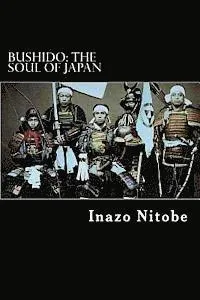


Bushido- Code Of The Samurai
Chivalry is a flower no less indigenous to the soil of Japan than cherry blossom are the opening words to Inazo Nitobe's Bushido: The Soul of Japan. It was 1900 and Inazo, a Japanese academic living in the USA, had been prompted to write the book after an American professor had wondered how the Japanese imparted moral education on their children if schools didn't offer any religious instruction. The answer, Inazo realised, was through Bushido. Bushido is the chivalric code of moral principles that the Samurai followed: rectitude, courage, benevolence, respect, honesty, honour and loyalty. Influenced by Confucianism, Shinto and Zen Buddhism, it tempers the violence of a warrior with wisdom and serenity. Alongside Sun Tzu's The Art of War and Machiavelli's The Prince, Inazo's book has become influential among military and corporate leaders looking for ways to manage their people and overcome their opponents. Beautifully produced in traditional Chinese binding and with a timeless design, Bushido Illustrated: The Soul of Japan includes the classic Inazo Nitobe text with a new introduction and colourful illustrations throughout. It will appeal to anyone interested in leadership, the code of the Samurai and Japanese culture.
Way of the Samurai
The Way of the Samurai


Bushido the Soul of Japan
2013 Reprint of 1905 10th Revised and Enlarged Edition. Full facsimile of the original edition, not reproduced with Optical Recognition Software. This is a revised and enlarged edition of a book whose charm is difficult to express in a paragraph. ...

Way of the Samurai
This classic text by Inazo Nitobe defining the moral code of the warrior class or Samurai has had a huge impact both in the West and in Japan itself.


Bushido Illustrated
Bushido is the chivalric code of moral principles that the Samurai followed: rectitude, courage, benevolence, respect, honesty, honour and loyalty. Beautifully produced in traditional Chinese binding, Bushido Illustrated will appeal to anyone interested in leadership, the code of the Samurai and Japanese culture.

Bushido, the Soul of Japan
Bushido, the Soul of Japan

Bushido- The Soul Of Japan
'What Japan was she owed to the samurai. They were not only the flower of the nation, but its root as well.'Inazo Nitobe's book, the most influential ever written on Bushido, or the samurai Way of the Warrior, argues that the philosophy of Bushido is the true key to understanding 'the soul of Japan'.One of twenty new books in the bestselling Penguin Great Ideas series. This new selection showcases a diverse list of thinkers who have helped shape our world today, from anarchists to stoics, feminists to prophets, satirists to Zen Buddhists.

Way of the Samurai
Way of the Samurai

Bushido- The Soul Of Japan
Chivalry is a flower no less indigenous to the soil of Japan than cherry blossom are the opening words to Inazo Nitobe's Bushido: The Soul of Japan. It was 1900 and Inazo, a Japanese academic living in the USA, had been prompted to write the book after an American professor had wondered how the Japanese imparted moral education on their children if schools didn't offer any religious instruction. The answer, Inazo realised, was through Bushido. Bushido is the chivalric code of moral principles that the Samurai followed: rectitude, courage, benevolence, respect, honesty, honour and loyalty. Influenced by Confucianism, Shinto and Zen Buddhism, it tempers the violence of a warrior with wisdom and serenity. Alongside Sun Tzu's The Art of War and Machiavelli's The Prince, Inazo's book has become influential among military and corporate leaders looking for ways to manage their people and overcome their opponents. Beautifully produced in traditional Chinese binding and with a timeless design, Bushido: The Soul of Japan includes the classic Inazo text with a new introduction. It will appeal to anyone interested in leadership, the code of the Samurai and Japanese culture.
Way of the Samurai
The Way of the Samurai


Bushido the Soul of Japan: Illustrated
Bushido is the code of moral principles which the knights were required or instructed to observe. It is not a written code; at best it consists of a few maxims handed down from mouth to mouth or coming from the pen of some well-known warrior or savant. More frequently it is a code unuttered and unwritten, possessing all the more the powerful sanction of veritable deed, and of a law written on the fleshly tablets of the heart. It was founded not on the creation of one brain, however able, or on the life of a single personage, however renowned. It was an organic growth of decades and centuries of military career. It, perhaps, fills the same position in the history of ethics that the English Constitution does in political history; yet it has had nothing to compare with the Magna Charta or the Habeas Corpus Act. True, early in the seventeenth century Military Statutes (Buk Hatto) were promulgated; but their thirteen short articles were taken up mostly with marriages, castles, leagues,

Bushido
-

Bushido
-

Honor
-

Way of the Warrior
The Way of the Warrior

The Samurai Series: The Book of Five Rings, Hagakure - The Way of the Samurai & Bushido - The Soul of Japan
The Samurai Series brings together three of the most important books dealing with the Samurai path and philosophy into one deluxe, illustrated hardcover volume. The Book of Five Rings was written by Miyamoto Musashi, a Samurai of legendary renown, about 1645. It is a masterpiece of simple exposition written by a master swordsman, who, near the end of his spectacular life, tried earnestly to explain the essentials of individual combat and the essence of being a Samurai. His book is widely considered to a cornerstone of the philosophy of Bushido. Hagakure - The Way of the Samurai, which means: 'Hidden by Leaves,' was composed from dialogs by the famous Samurai Yamamoto Tsunetomo, by a scribe, Tashiro Tsuramoto, about 1716 AD. It explains the major ideas and philosophy that are essential to the 'way of the Samurai', by which is meant the 'way of dying'. It contains numerous tales of various Samurai and their deeds which illustrate their philosophy and practice. Bushido - The Soul of




The Way of the Warrior
This deluxe boxset contains three classic texts from China and Japan - The Art of War, The Book of Five Rings and The Way of the Samurai - presented in beautiful silkbound volumes. Together, these texts set out strategies and techniques for warfare and conflict that span more than 2500 years. Despite this military focus, their insights into have since been used as a source of insight into many areas of life, including leadership and corporate strategy. In The Art of War, Chinese general Sun Tzu sets out indispensable leadership skills, promoting strategic flexibility, quick thinking on the battlefield, and understanding the enemy's intentions. The Book of Five Rings was written by an ancient Samurai warrior and is hailed as a limitless source of insight into business strategy and outwitting the competition. In The Way of the Samurai, Inazo Nitobe explores the moral code of the Japanese warrior class, offering timeless wisdom on success and discipline which till resonates today.

The Way of the Warrior: Deluxe Silkbound Editions in Boxed Set
This deluxe boxset contains three classic texts from China and Japan - The Art of War, The Book of Five Rings and The Way of the Samurai - presented in beautiful silkbound volumes. Together, these texts set out strategies and techniques for warfare and conflict that span more than 2500 years. Despite this military focus, their insights into have since been used as a source of insight into many areas of life, including leadership and corporate strategy. In The Art of War, Chinese general Sun Tzu sets out indispensable leadership skills, promoting strategic flexibility, quick thinking on the battlefield, and understanding the enemy's intentions. The Book of Five Rings was written by an ancient Samurai warrior and is hailed as a limitless source of insight into business strategy and outwitting the competition. In The Way of the Samurai, Inazo Nitobe explores the moral code of the Japanese warrior class, offering timeless wisdom on success and discipline which till resonates today.