
Apolonia Sokol
I denne monografi præsenteres Apolonia Sokols visionære tilgang til portrætkunsten. Gennem sine figurative malerier forener hun portrætter og autofiktion i scener, der både henter inspiration fra kunsthistorien og adresserer aktuelle problemstillinger om feminisme og queer identitet. Sokols værker belyser kønsrepræsentation og kropspolitik, hvor hun skildrer venner, elskere og partnere som ikoner for radikal subjektivitet, bundet sammen af alternative slægtskaber, der giver næring og støtte. Karakteriseret ved sin distinkte, ekspressive stil og intense farver– frembragt med naturlige pigmenter – præsenterer Sokols malerier ofte motivet i 1:1 skala, hvilket skaber en konfrontation mellem figurernes øjne og beskuerens blik. Dette indbyder til refleksion over identitet og historie og skaber en oplevelse af styrke gennem sårbarhed. I åbne, usædvanlige rum reagerer figurerne dynamisk på deres omgivelser, hvilket forstærker det visuelle drama. Sokol engagerer sig også med kunsthistoriske


Apolonia
-




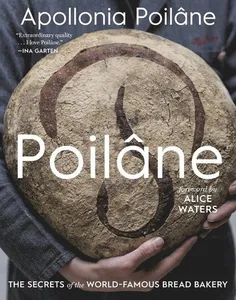
Poilâne
Epicurious' "New Fall 2019 Cookbooks We Can't Wait to Cook From" Food & Wine 18 Essential New Cookbooks for Fall Amazon's pick for Biggest Cookbooks of Fall Chowhound's Best New Cookbooks and Best New Baking Cookbooks for Fall 2019 &...



Apologia
A disastrous family reunion is the occasion for a sharp and perceptive look at what has happened to 60s idealists and their children.


Apologia Politica
Apologia Politica defines and explores the nature of public apology. Focusing on collectivities and their agencies in the apology process, author Girma Negash examines public apology as ethical and public discourse, recommends criteria for the apo...

Apologia. Florida. De Deo Socratis
Oratory and philosophy from a Latin novelist. Apuleius, one of the great stylists of Latin literature, was born ca. AD 125 in Madauros to a politically prominent family and received an elite education in the provincial capital Carthage and at Athe...


Apologia Pro Vita Sua
John Henry Newman, one of the towering figures of the early Victorian Church of England, caused shock and outrage in equal measure when he announced his espousal of Roman Catholicism in 1845. His Apologia, written nearly twenty years later in resp...
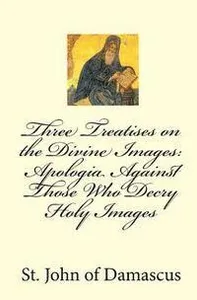
Three Treatises on the Divine Images: Apologia Against Those Who Decry Holy Images
Saint John of Damascus(c. 676 - 4 December 749) was an Arab Christian monk and priest. Born and raised in Damascus, he died at his monastery, Mar Saba, near Jerusalem. A polymath whose fields of interest and contribution included law, theology, philosophy, and music, before being ordained, he served as a Chief Administrator to the Muslim caliph of Damascus, wrote works expounding the Christian faith, and composed hymns which are still in everyday use in Eastern Christian monasteries throughout the world. In the early 8th century AD, iconoclasm, a movement seeking to prohibit the veneration of the icons, gained some acceptance in the Byzantine court. In 726, despite the protests of St. Germanus, Patriarch of Constantinople, Emperor Leo III issued his first edict against the veneration of images and their exhibition in public places. A talented writer in the secure surroundings of the caliph's court, John of Damascus initiated a defense of holy images in three separate publications.